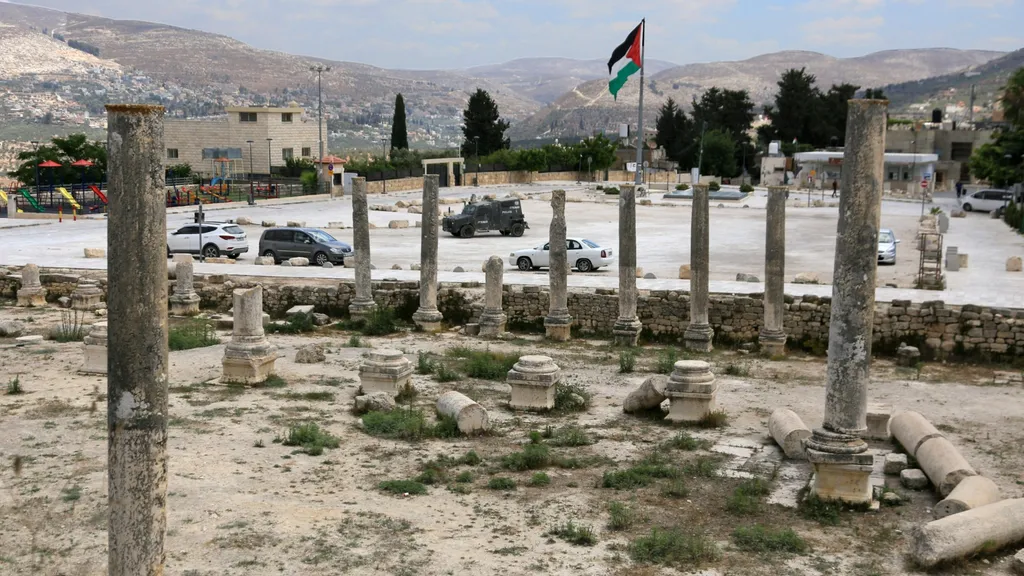
High in the hills overlooking the Roman columns of the ancient site of Sebastia, in the occupied West Bank, lie olive groves that Palestinian families have cultivated for generations.
One of the landowners, Abu Mudif, says he has been notified that his property is included in a tranche of roughly 450 acres that Israeli authorities are taking control of. They say the move is intended to protect and develop the area as part of a major new national park.
In such expropriations, Palestinian landowners typically receive little or no compensation. And even when compensation is offered, many refuse it, viewing acceptance as an acknowledgment of, and legitimacy for, the loss of what they consider their ancestral patrimony.
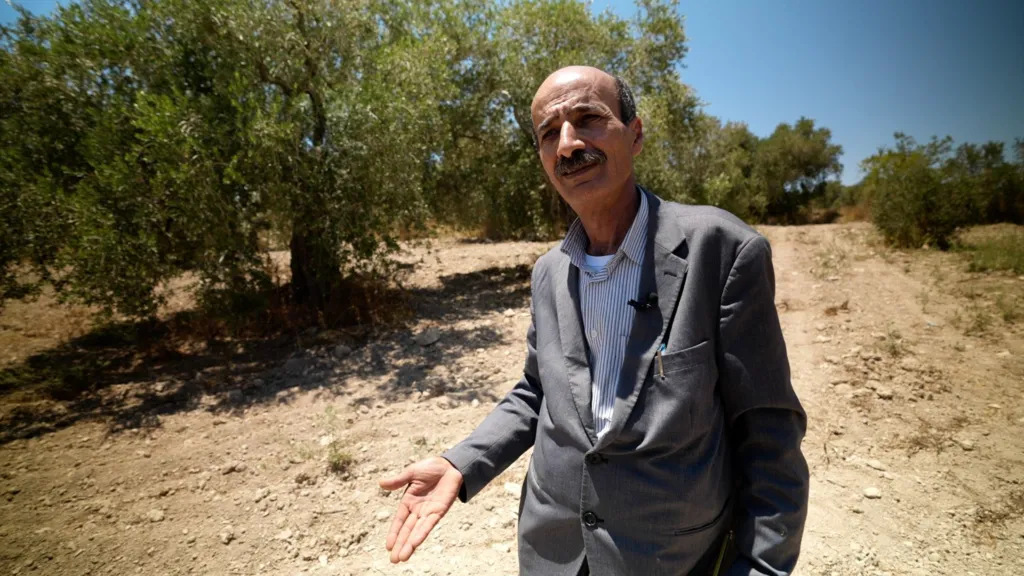
For Abu Mudif, losing the land is, of course, a serious financial blow. But for him, the issue runs far deeper than income alone.
Abu Mudif says his land is among roughly 450 acres that Israeli authorities are moving to expropriate.“If I had to put it into words, the closest comparison I can make is having your soul torn from you. I cannot imagine my life without my land.”
Nahed Sakha, who owns a nearby restaurant, is also facing the threat of demolition.
He says the Israeli authorities’ plan appears to be aimed at separating Palestinian residents from the archaeological site, a place with thousands of years of history and important remains f